
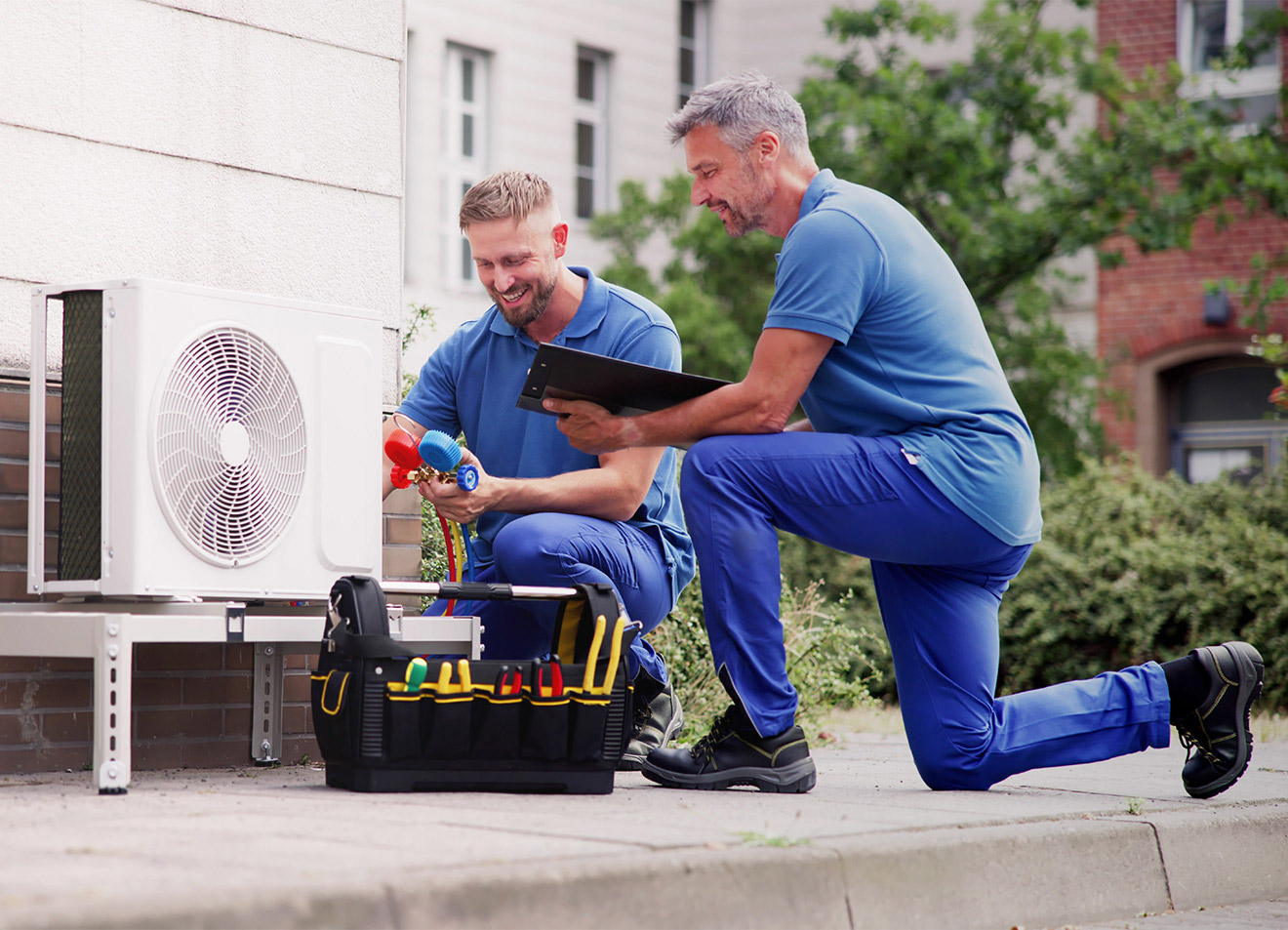
HVAC Solutions For Every Home




How It Works
Share Your Project Details
Answer a few quick questions about your HVAC needs and home.
Get Matched With Pros
We connect you with expert, local HVAC contractors in your area.
Compare Free Quotes
Review quotes side-by-side and choose the best value for your project.
Stay Comfortable Year-Round
Without Overpaying
Your home's heating and cooling system is essential to year-round comfort. Whether you need a new installation, a system upgrade, or a timely repair, connecting with the right HVAC professional can save you thousands.
Energy-Efficient Systems
Modern HVAC units can reduce your energy bills by up to 40% compared to older models.
Fast Installation
HVAC installations may be completed in as little as one to two days, with minimal disruption.
Local Professionals
We connect you with top-rated local HVAC contractors.
Competitive Pricing
Comparing multiple quotes helps you find the right option for your project and budget.
Smart Thermostat Ready
New systems integrate seamlessly with smart thermostats for effortless control.
Warranty Protection
Many new HVAC systems may include manufacturer warranty options.
Advantages of Modern HVAC
Lower Monthly Bills
A high-efficiency HVAC system can significantly reduce your monthly energy costs, often paying for itself within a few years.
Improved Air Quality
New systems include advanced filtration that removes allergens, dust, and pollutants from your indoor air.
Reliable Comfort
Modern units maintain consistent temperatures throughout your home, eliminating hot and cold spots.
Increased Home Value
An updated HVAC system is one of the top features homebuyers look for and can boost your resale value.
Want deeper HVAC pricing?
Our full HVAC cost guide breaks down costs by system type, home size, region, and efficiency, with pricing examples to help you compare options.
Typical Range
$800 – $12,100
National Avg.
$7,500
HVAC Replacement Cost By System Type
A quick reference for typical installation costs. See the full cost guide above for deeper breakdowns by home size and region.
Costs vary by location, system size, and brand. Get exact quotes for your area.
Get Free QuotesOur HVAC Gallery
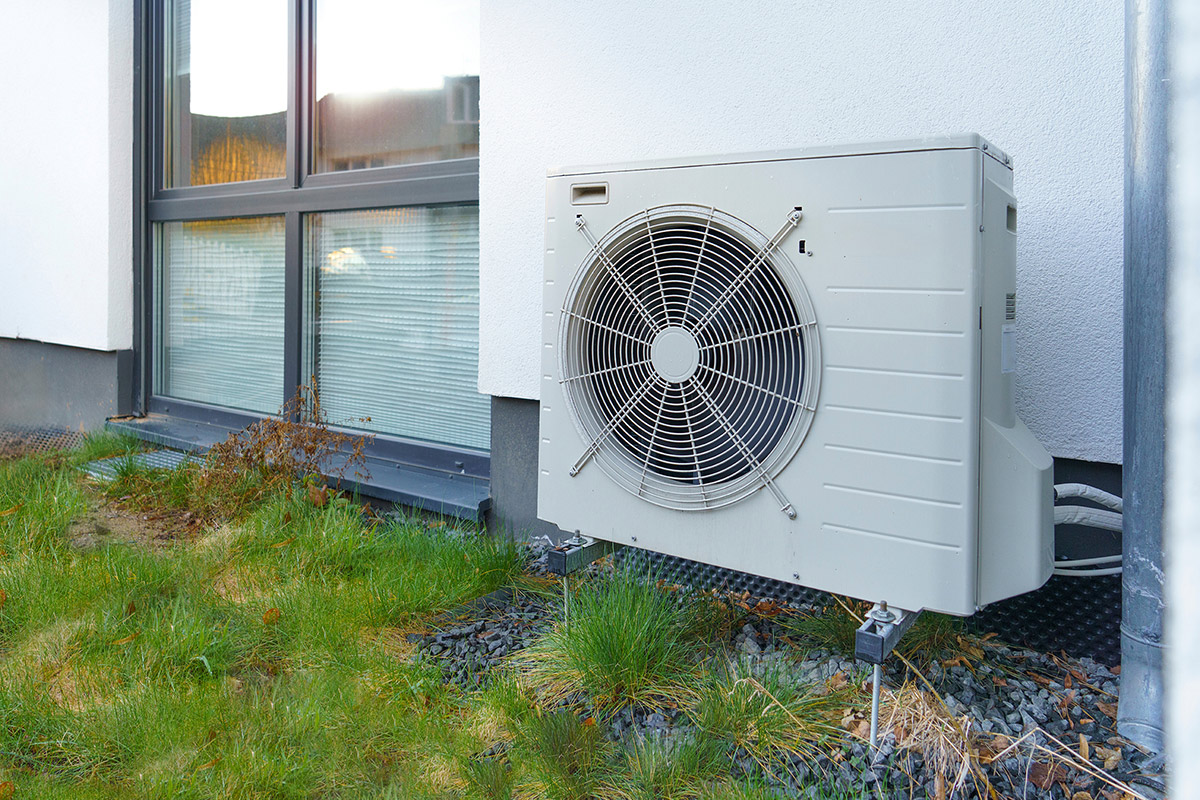
Central Air Conditioner
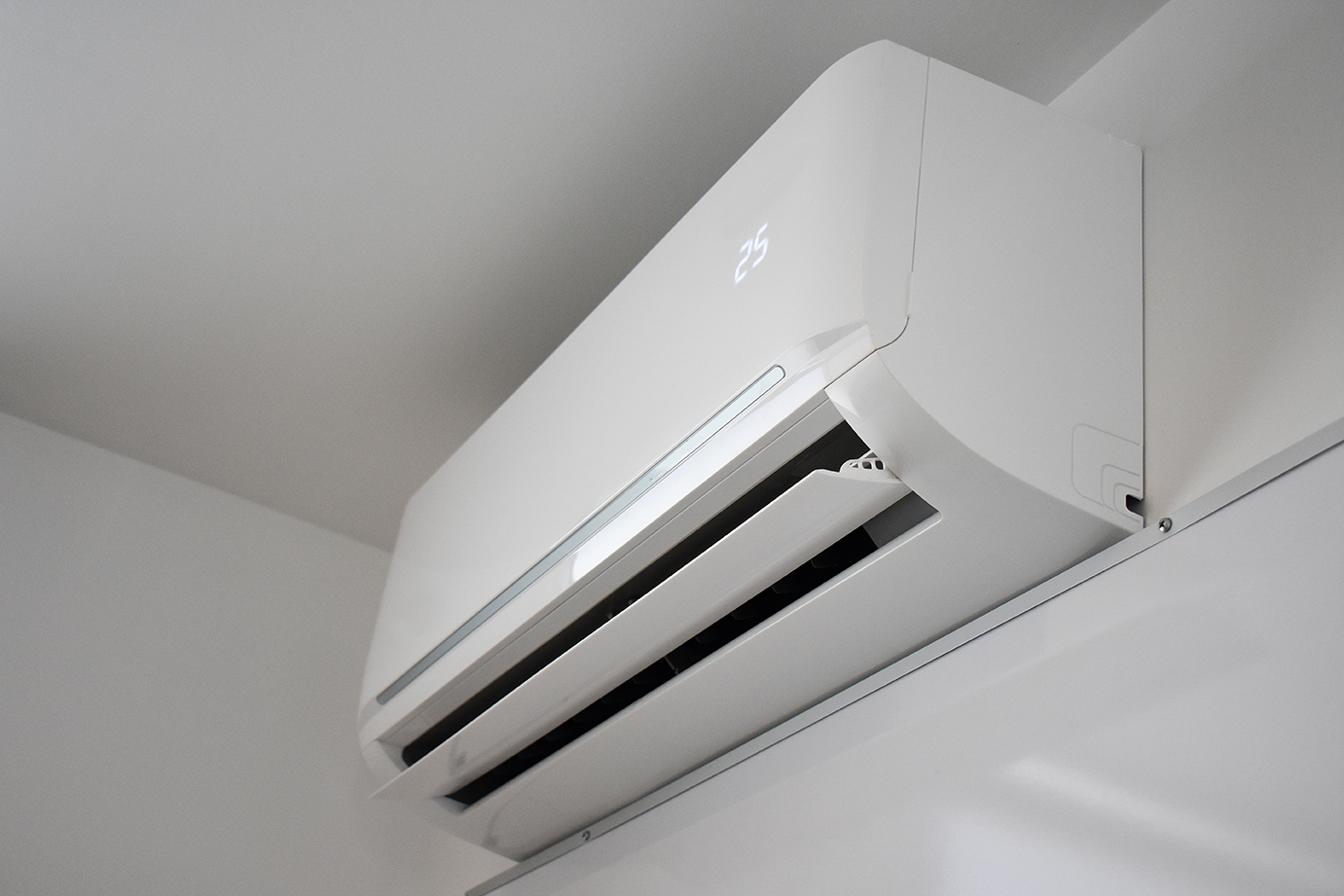
Ductless Mini-Split
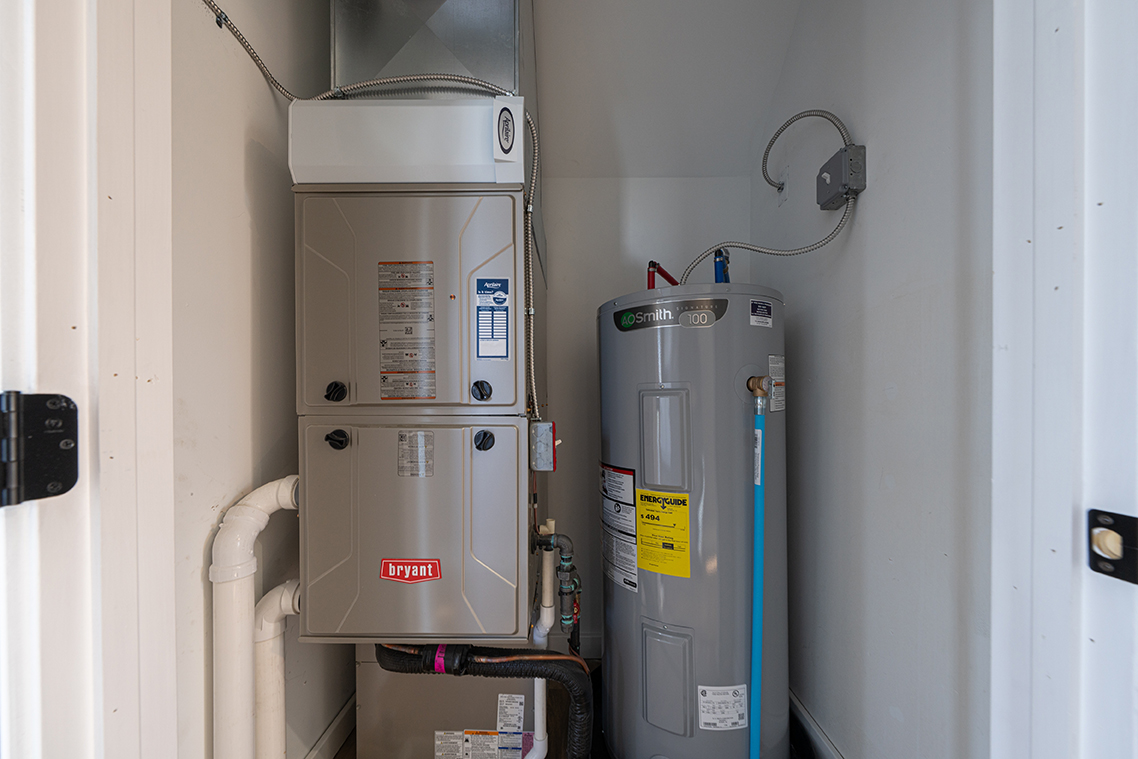
Electric Furnace
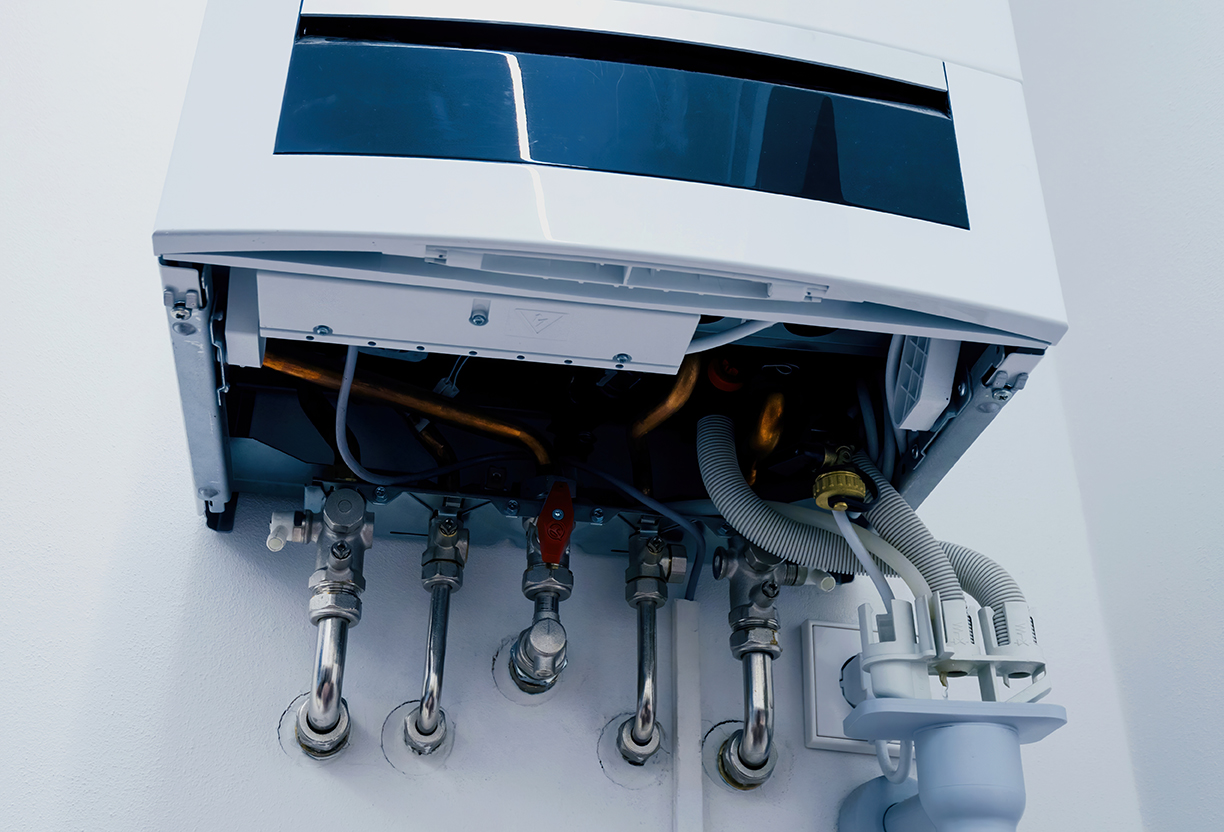
Gas Furnace
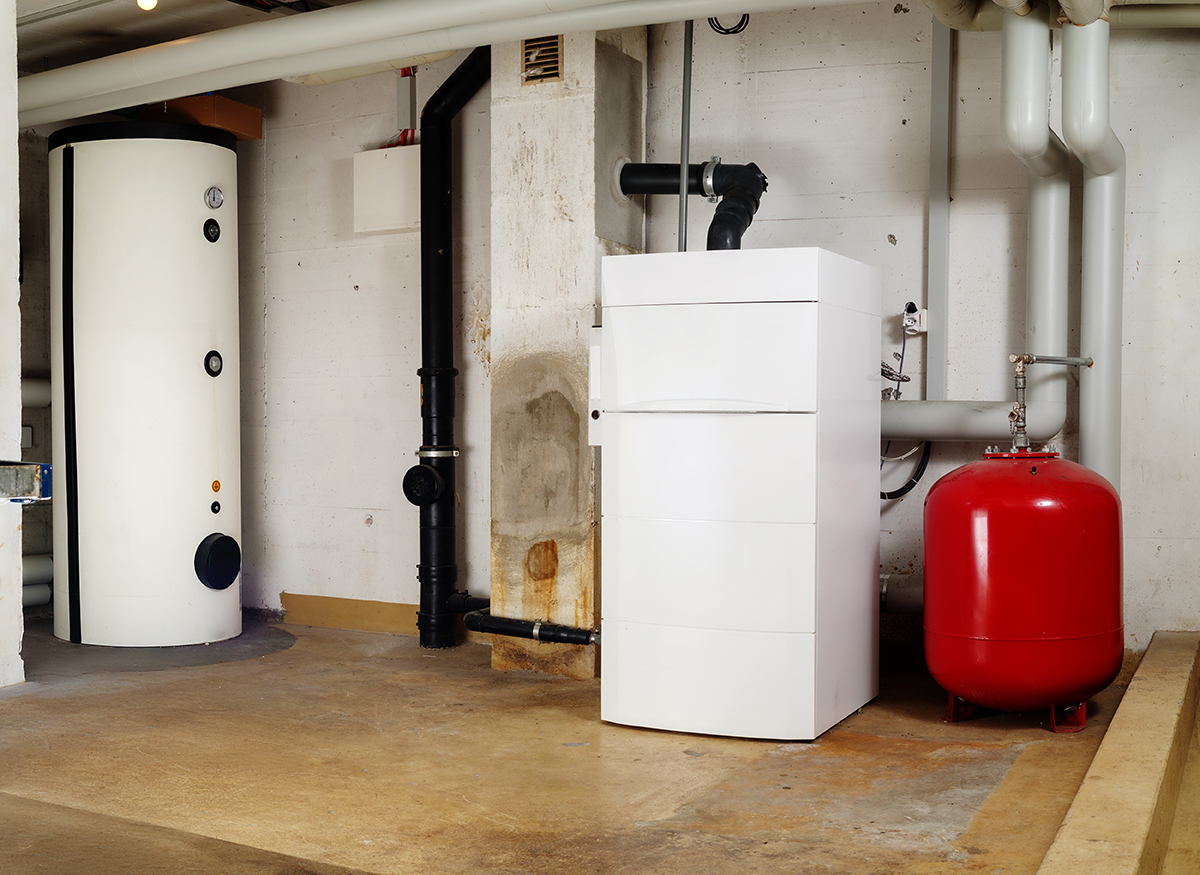
Oil Furnace
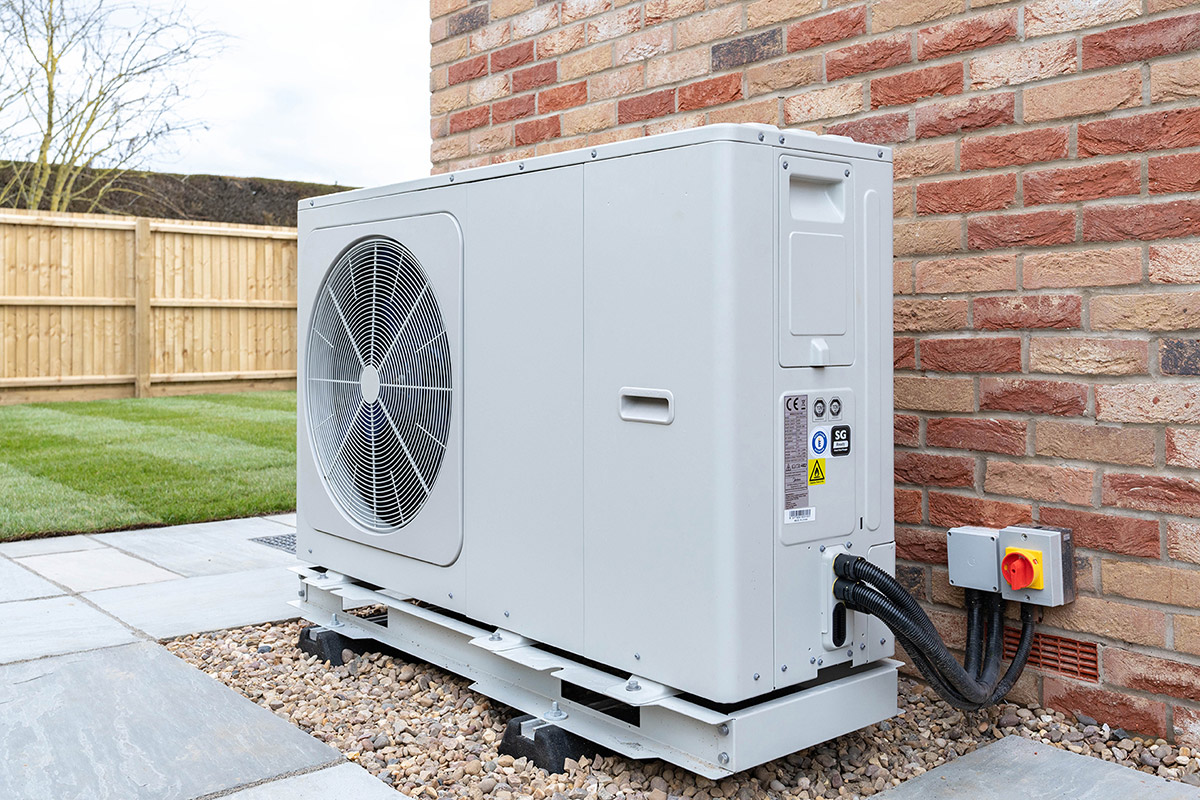
Heat Pump
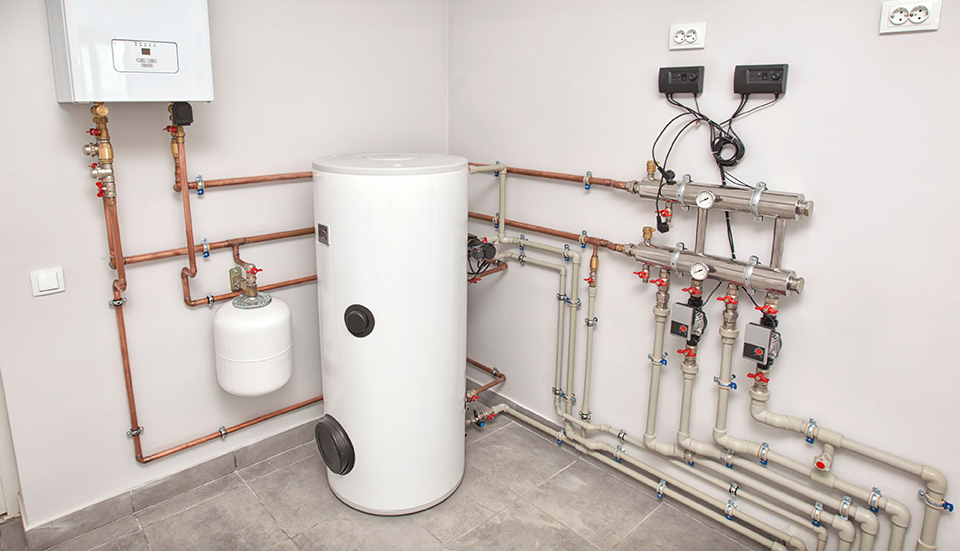
Boiler
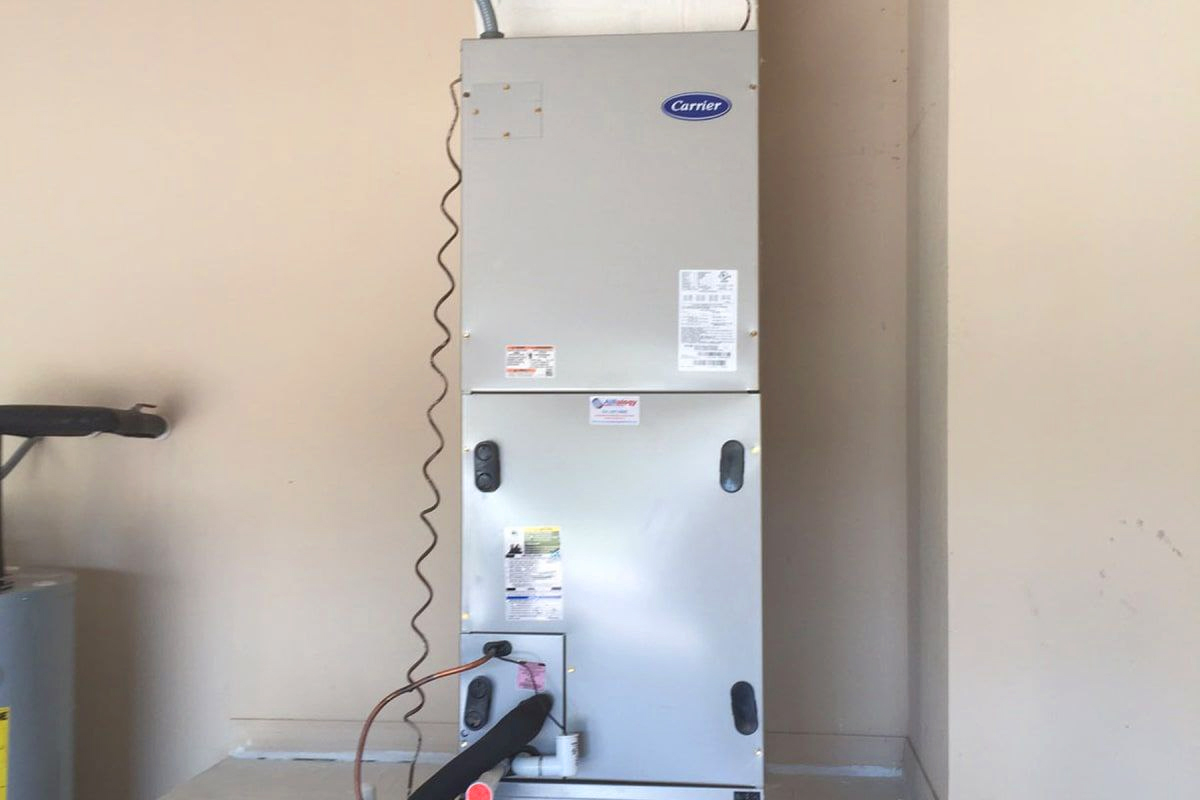
Air Handler
Common Questions
Frequently Asked Questions
Most homeowners spend between $5,000 and $15,000 for a full HVAC replacement, with the national average around $7,500–$14,000 depending on system type, home size, efficiency rating, and region. Factors like ductwork condition, brand, and advanced features (smart thermostats, zoning) can push costs higher. Always get multiple written quotes.
As a general rule, replace your HVAC air filter every 90 days. However, homes with pets should change every 30–60 days, homes with allergy or asthma sufferers every 20–45 days, and high-traffic or dusty environments every 30 days. A dirty filter restricts airflow, reduces efficiency, and can lead to compressor failure over time.
Use the "$5,000 Rule" as a guide: multiply the age of your system by the cost of the repair. If the result exceeds $5,000, replacement is usually the smarter investment. Additionally, if your system is 10–15 years old and repair costs are approaching 50% of a new unit's price, it's generally time to replace.
The right size depends on your home's square footage, layout, insulation quality, number of windows, and local climate. An oversized unit can cause humidity and mold problems, while an undersized unit will run constantly, driving up energy bills. A licensed HVAC professional should perform a Manual J Load Calculation to determine the correct size.
Schedule preventive maintenance at least once a year, replace air filters on a regular schedule, seal and insulate ductwork to prevent air leaks, install a programmable or smart thermostat, ensure your home has adequate insulation, and keep the outdoor unit clear of debris, leaves, and dirt.
For the best balance of comfort and energy savings: in summer, set it to 74–76°F, and in winter, 65–68°F. Setting your thermostat even a few degrees away from your ideal temperature can result in noticeable savings on your utility bills.
The average HVAC system lasts 10–20 years, with most units averaging around 15 years. With consistent professional maintenance, some systems can last up to 25–30 years. Key factors affecting lifespan include usage frequency, climate, maintenance habits, and whether the system was properly sized at installation.
Different sounds indicate different problems: popping/banging means ductwork too small for airflow, squealing indicates a failing blower motor, grinding means worn bearings, clanking suggests loose internal components, buzzing may be frozen evaporator coils or electrical issues, and rattling points to loose panels, screws, or debris. Any persistent unusual noise should be inspected by a professional promptly.
HVAC experts recommend at least one professional tune-up per year. Best practice is to service your air conditioning in spring before summer, and service your heating system in fall before winter. During a tune-up, technicians inspect components, lubricate moving parts, check refrigerant levels, clean coils, and identify potential issues before they become costly repairs.
High-efficiency HVAC systems consume less electricity and fuel to maintain comfortable indoor temperatures compared to standard units. By utilizing advanced features like variable-speed motors and multi-stage compressors, these systems automatically adjust their output to meet actual heating or cooling demands rather than running constantly at full capacity, helping to reduce ongoing utility usage.
Join thousands of homeowners who saved on HVAC installation
Ready To Get Started?
Free quotes • No obligation • Expert contractors in Your Area
Get Free Quotes

